We are committed to providing programs that go beyond top-tier training traditional education
At Brain Mentors Pvt. Ltd., we strive to lead the forefront of innovation in IT education, cultivating a worldwide network of adept professionals. We are dedicated to furnishing each learner with state-of-the-art expertise and hands-on experience, igniting a revolution in technological prowess. Our mission is to empower individuals to realize their aspirations and make meaningful strides in the dynamic digital realm.

Experience a seamless learning journey with our online training programs at Brain Mentors Pvt. Ltd. Dive into a world of knowledge from the comfort of your home, with engaging live sessions and interactive modules on our user-friendly platform. Benefit from the flexibility of online learning, allowing you to acquire cutting-edge skills at your own pace, anytime, anywhere
For those seeking a more traditional approach, our offline training programs provide a dynamic and immersive learning environment. Join us in person to engage with passionate instructors, participate in hands-on activities, and collaborate with fellow learners. Our offline programs offer a unique opportunity to build connections, share experiences, and enhance your skills in a supportive, face-to-face setting
Guided by industry veterans with decades of collective experience in technology and mentorship.
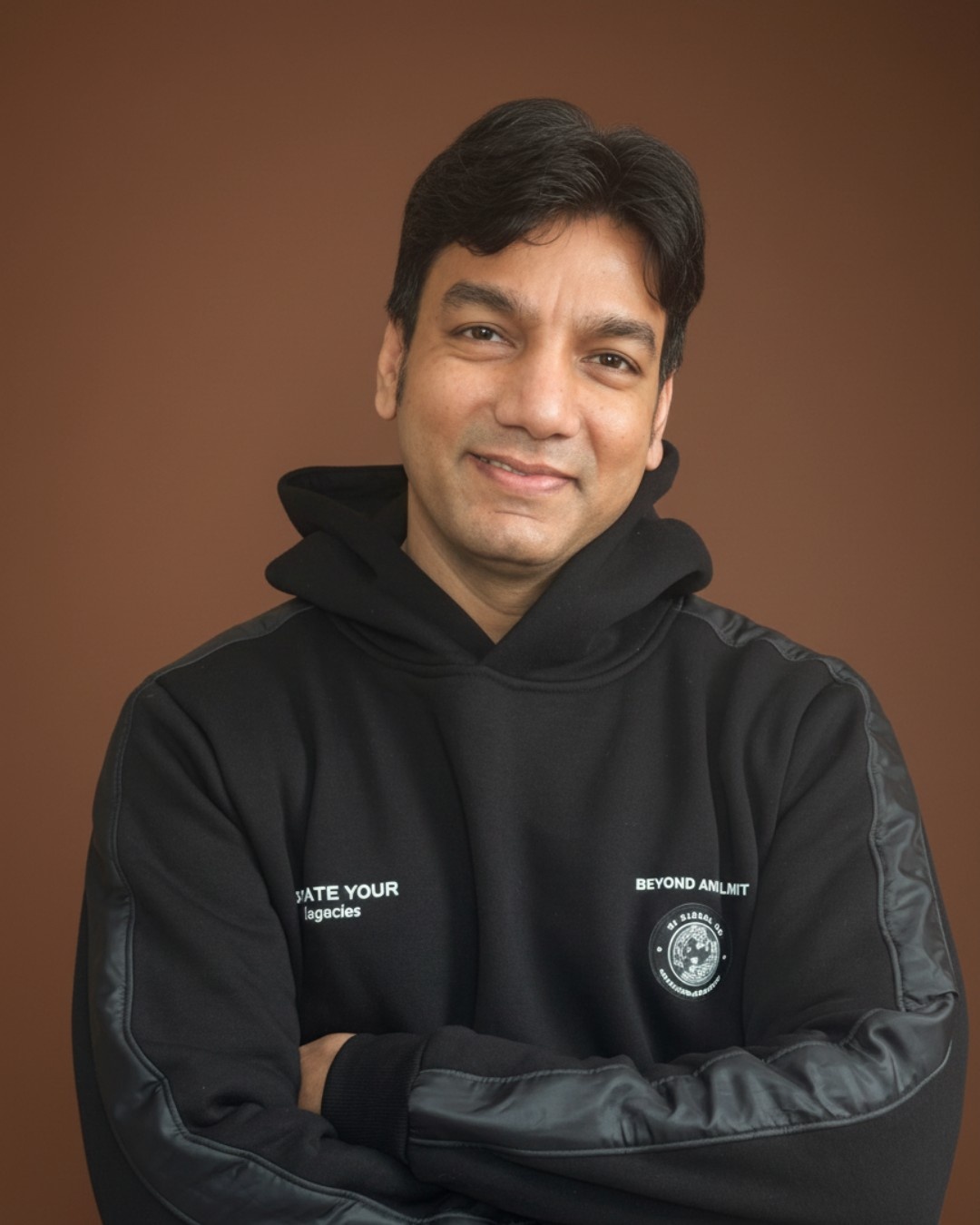
Founder & Lead Instructor
Experience
20+ Year

Web Developer & Instructor
Experience
4+ Year
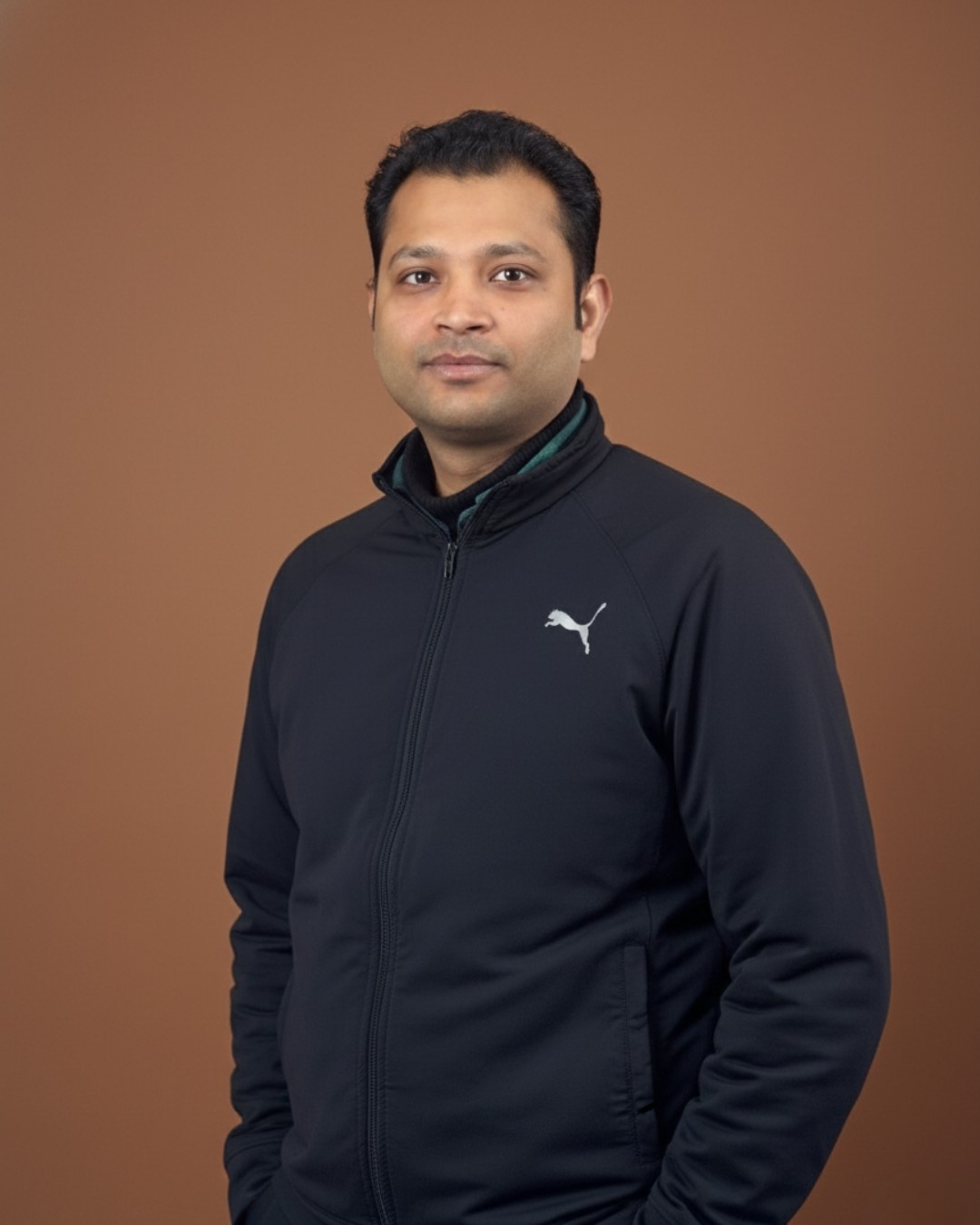
Technical Program Lead (Software & Data Technologies)
Experience
12+ Year

Co Founder & Lead Instructor
Experience
20+ Year
Brain Mentors, a leader in programming education, has been dedicated to building successful careers since its inception. Recognized for its excellence, it is a top choice among education brands. Brain Mentors Pro extends this mission, providing the best programming skills and future-proof courses to help individuals reach their full potential.
At Brain Mentors, we specialize in identifying future professional opportunities and crafting new-age skilling programs. Our innovative approach engages youth, mentoring and guiding them to build their future.
We offer industry-leading courses in Data Structures and Algorithms (DSA), Web Development, Mobile Development, Cloud Computing, Data Science, and more, helping individuals acquire skills and certifications to excel in their careers. Additionally, we assist corporations in building a pool of trained resources, ensuring a win-win situation for both individuals and businesses.
hr@brain-mentors.com
+91 7042434524
+91 92179 75152
Monday – Sunday: 10:00 AM – 07:00 PM
Ghaziabad Branch
Brain Mentors Pvt Ltd, Second Floor, Anandam Square, Meerut Road Industrial Area, Ghaziabad, Uttar Pradesh-201003
Rohini, Delhi Branch
3, First Floor, Block-C, Pkt-9, Sec-7, Rohini, Delhi-85, Opp. to Metro Pillar No. 395 & 396, Beside Chaayos & Lenskart
Copyright © Brain-mentors 2015